John took some amazing photos and video of the wolves last week, and his client, Mary Lynch, asked me to create a presentation of them for the Foundation's donors.
Saturday, July 24, 2010


Monday, July 19, 2010
The Buffalo Wolves
Two years ago, John's fence company took on a fascinating fence job, and they were hired by the same customer this summer. I went with him last week to unload some materials at the site, and I had not had a really good look at the project for a long time so asked if I could look around while he continued to work. What I saw was so fun that I asked him if I could blog about it as long as I wasn't very specific about the customer or the project. Normally the work his company does isn't as "sensitive," but when you're building 10 foot fences around enclosures of thousands of square feet, you know you're keeping in or keeping out something pretty special, and there are few things in this area that are more controversial than wolves. Therefore, while the location of the job isn't necessarily a secret, we're pretty careful to be very discreet about it. That said, everything about the organization that is responsible for the wolves (the E.H. McCleery Buffalo Wolf Foundation) is above board. All of the pertinent entities are aware of the Foundation's work, and the wolves are in impressive enclosures.
The first time John's company built fence for the Foundation, they started from scratch because the wolves were to be moved from their previous home in the Gallatin Forest to their current home in Carbon County. The preservation of these particular wolves was begun by Dr. E.H. McCleery about 100 years ago. Originally an engineer, Dr. McCleery became a physician after traveling to the west and realizing that there was a need for medical doctors in this part of the country. However, a horrific experience he had watching a "wolf bait" changed his life. He returned to his native state of Pennsylvania and began paying trappers for live wolves they captured in the west so that he could save them. As Dr. McCleery's health began to decline, the work he had begun was taken over by a man named Jack Lynch. Jack moved the wolves to Washington where he continued to care for them, but he eventually left Washington (in part because the rainy weather was hard on the wolves) and moved them to Montana. While in Washington he met, and eventually married, a woman named Mary Webber. Once Jack died, Mary took over care of the wolves on her own, and Mary is the customer with whom John now works.
So, enough background. I'm going to include some photos John and I took last week, a video shot by Mary's grandson that he's posted on Youtube, and another link to a really informative article about the work of Dr. McCleery and Jack Lynch that appeared in a 1979 Sports Illustrated article, of all places.
Currently, the wolves live in 6 self-contained pens, and John's business partner Shane is building more this summer. And what made my time watching the wolves the most fun was that the pen I was closest to contains 5 pups born this spring. I believe these are the first to be born since the wolves were moved to their current location two years ago.
Here are photos John and I took:
 This is the load of 10 foot wire John picked up in Billings and we delivered to the job site.
 In addition to building the pens, Shane and his crew are also digging dens for the wolves. This is one of the dens before they have built the top of it to create a dark, cool place for the wolves to escape to.
 One of the adults -- I'm not sure if it's a male or female.

3 of the pups!
Here is Mary's grandson's video, which he filmed about a year ago. The side of it gets cut off by the format of the blog, but you're still able to see everything.
Finally, here's a link to the Sports Illustrated article about the beginnings of the Foundation's work. It's a lengthy article but very informative.
http://sportsillustrated.cnn.com/vault/article/magazine/MAG1126278/5/index.htm
The first time John's company built fence for the Foundation, they started from scratch because the wolves were to be moved from their previous home in the Gallatin Forest to their current home in Carbon County. The preservation of these particular wolves was begun by Dr. E.H. McCleery about 100 years ago. Originally an engineer, Dr. McCleery became a physician after traveling to the west and realizing that there was a need for medical doctors in this part of the country. However, a horrific experience he had watching a "wolf bait" changed his life. He returned to his native state of Pennsylvania and began paying trappers for live wolves they captured in the west so that he could save them. As Dr. McCleery's health began to decline, the work he had begun was taken over by a man named Jack Lynch. Jack moved the wolves to Washington where he continued to care for them, but he eventually left Washington (in part because the rainy weather was hard on the wolves) and moved them to Montana. While in Washington he met, and eventually married, a woman named Mary Webber. Once Jack died, Mary took over care of the wolves on her own, and Mary is the customer with whom John now works.
So, enough background. I'm going to include some photos John and I took last week, a video shot by Mary's grandson that he's posted on Youtube, and another link to a really informative article about the work of Dr. McCleery and Jack Lynch that appeared in a 1979 Sports Illustrated article, of all places.
Currently, the wolves live in 6 self-contained pens, and John's business partner Shane is building more this summer. And what made my time watching the wolves the most fun was that the pen I was closest to contains 5 pups born this spring. I believe these are the first to be born since the wolves were moved to their current location two years ago.
Here are photos John and I took:


3 of the pups!
Here is Mary's grandson's video, which he filmed about a year ago. The side of it gets cut off by the format of the blog, but you're still able to see everything.
Finally, here's a link to the Sports Illustrated article about the beginnings of the Foundation's work. It's a lengthy article but very informative.
http://sportsillustrated.cnn.com/vault/article/magazine/MAG1126278/5/index.htm
Friday, July 16, 2010
Yikes!
I always make this crazy assumption that when school gets out for the summer I'll have more time and will get more things done. That's true to some extent, but then again I'm always trying to do more things -- so it's been awhile and now I have a lot to catch up on. I'll try my best to spread out the posts a little bit and to keep them relatively short.
So, where to start? Every summer for the last three years, I have helped butcher chickens at our friends, the Matheses. The first year I was somewhat volunteered by John because I'd told him I wanted to spend some time on their ranch helping out and learning. I was thinking "helping out with and learning about cattle," but it ended up chickens. Oh well. I figured I could be a good sport.
I know a number of you grew up around chickens and may even have had to help butcher them, and while there's only so much that can be done to make such a task less unpleasant, George and MaryAnn have a great operation. I must admit that I've never held the chicken or the knife at that most critical of moments, but I have carried chickens to the first staging area and then learned how to cut off their feet afterward. And I won't get any more graphic than that. Promise.
From what I hear, the thing that makes the job so much easier at the Mathes place is their magic finger chicken feather plucker (my name for it, not theirs). My primary job is scrubbing the birds with hot, soapy water and removing the pin feathers; however, there are not many feathers at all once they get to me because of the magic fingers. I wish I'd taken a picture of it, but I only have these:


I suppose it sounds odd, but there's something really satisfying about grabbing something small with a pair of tweezers and getting it out, whether it's a sliver, a feather, or a hair.
I won't go into lecture mode because we eat a wide variety of processed foods at our house, we eat fruits and veggies that have been shipped thousands of miles, and we buy a fair amount of chicken that I'm sure was once processed at a Tyson chicken plant, but I urge your to spend a little time thinking about where (and what) your food comes from. The movie Food Inc. is one of my favorite documentaries because it explains some of the challenges facing us if we want to be eco-conscious about our food choices without terrorizing its audience with gratuitous images from kill plants and chicken farms. (There are a few, but they're really not that bothersome.)
We do make a conscious effort to buy local products when possible: we eat a lot of pork, and John generously buys the pig we eat at the Carbon County Fair's 4-H and FFA sale; I buy tomatoes from the Special K Ranch, a local residency ranch for adults with developmental disabilities (http://www.specialkranch.org/); we drink milk and eat sour cream from a Montana dairy (http://www.countryclassic.com/); our flour comes from Wheat Montana (http://www.wheatmontana.com/). We also buy almost all of our food from the IGA in Laurel and the little grocery in Joliet in order to support and sustain small, local businesses. Sure, local products from local stores cost more, but every extra penny keeps such services available and supports our neighbors and friends. And if you'd like a humanely butchered free range chicken that lived a pretty perfect life, I have one to give you that I scrubbed and plucked myself.
So, where to start? Every summer for the last three years, I have helped butcher chickens at our friends, the Matheses. The first year I was somewhat volunteered by John because I'd told him I wanted to spend some time on their ranch helping out and learning. I was thinking "helping out with and learning about cattle," but it ended up chickens. Oh well. I figured I could be a good sport.
I know a number of you grew up around chickens and may even have had to help butcher them, and while there's only so much that can be done to make such a task less unpleasant, George and MaryAnn have a great operation. I must admit that I've never held the chicken or the knife at that most critical of moments, but I have carried chickens to the first staging area and then learned how to cut off their feet afterward. And I won't get any more graphic than that. Promise.
From what I hear, the thing that makes the job so much easier at the Mathes place is their magic finger chicken feather plucker (my name for it, not theirs). My primary job is scrubbing the birds with hot, soapy water and removing the pin feathers; however, there are not many feathers at all once they get to me because of the magic fingers. I wish I'd taken a picture of it, but I only have these:


I suppose it sounds odd, but there's something really satisfying about grabbing something small with a pair of tweezers and getting it out, whether it's a sliver, a feather, or a hair.
I won't go into lecture mode because we eat a wide variety of processed foods at our house, we eat fruits and veggies that have been shipped thousands of miles, and we buy a fair amount of chicken that I'm sure was once processed at a Tyson chicken plant, but I urge your to spend a little time thinking about where (and what) your food comes from. The movie Food Inc. is one of my favorite documentaries because it explains some of the challenges facing us if we want to be eco-conscious about our food choices without terrorizing its audience with gratuitous images from kill plants and chicken farms. (There are a few, but they're really not that bothersome.)
We do make a conscious effort to buy local products when possible: we eat a lot of pork, and John generously buys the pig we eat at the Carbon County Fair's 4-H and FFA sale; I buy tomatoes from the Special K Ranch, a local residency ranch for adults with developmental disabilities (http://www.specialkranch.org/); we drink milk and eat sour cream from a Montana dairy (http://www.countryclassic.com/); our flour comes from Wheat Montana (http://www.wheatmontana.com/). We also buy almost all of our food from the IGA in Laurel and the little grocery in Joliet in order to support and sustain small, local businesses. Sure, local products from local stores cost more, but every extra penny keeps such services available and supports our neighbors and friends. And if you'd like a humanely butchered free range chicken that lived a pretty perfect life, I have one to give you that I scrubbed and plucked myself.
Sunday, May 23, 2010
Warm Wind
"Life is always a rich and steady time when you are waiting for something to happen or to hatch," states the narrator of E.B. White's Charlotte's Web. Indeed, this is my favorite time of year as spring begins to swell to its fullest. Nearly everything has been born and has hatched at this point, but I'm still enjoying every moment. School is not yet out for the summer, so I still have every last minute of that delectable freedom ahead of me.
For the importance of this "almost there" moment, I have to quote A.A. Milne who wrote, “'Well,' said Pooh, 'what I like best -- ' and then he had to stop and think. Because although Eating Honey was a very good thing to do, there was a moment just before you began to eat it which was better than when you were, but he didn't know what it was called.” I try always to be celebrating and savoring this "moment just before."
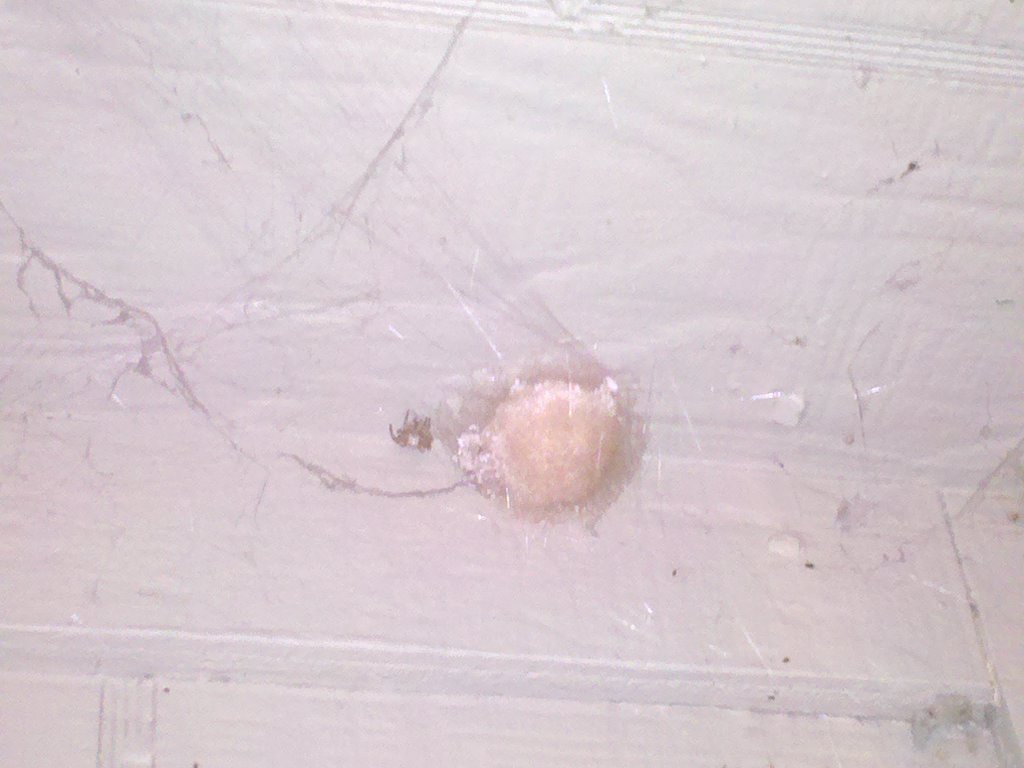
I'd spent the weekend planning what I would write about the chicks John brought home yesterday and promptly settled into my "barn," if a building smaller than my small living room can be called a barn. (I plan for it to be the calving shed next spring when Daisy gives birth to her first little one.) However, I've yet to take a picture of the chicks, and I'm not exactly besotted with smelly critters that look more like chickens than chicks and have very few redeeming qualities at the moment. So that's how I find myself preparing to write about something that would make nearly everyone else squirm: Charlotte's babies. (Okay, I just called her Charlotte all last summer. She didn't do anything as valiant as save an adorable pig's life, but she did keep me company on the porch -- and she was impressive. Small house spiders may earn their right to stay alive, but only the largest most unusual outdoor spiders earn the right to be called Charlotte.) I spent a fair amount of time on the internet trying to identify the particular type of spider Charlotte was, but I never found anything that adequately fit her description. Regardless, she produced an egg sac by summer's end, just like that of her namesake. I kept an eye on it all winter, and was amazed to find it looking very different one day this spring. However, there were still no babies. The first picture is how the egg sac has looked since it changed for the first time.
 I would guess nothing else changed for at least 4 weeks, and then last week, suddenly, hundreds of babies.
 "Charlotte's babies were here at least," White writes. I remember very clearly that in the novel the babies floated away on a warm wind. Today's wind wasn't warm since we're expecting a storm that is supposed to bring snow to higher elevations, but there has been a wind nonetheless. After spending over seven hours working in the yard and doing chores, I settled on the porch earlier this evening to finish reading Hemingway's Old Man and the Sea. As I have for the last few days, I glanced up to check on the babies. Much of the group that had ventured the farthest away from the nest were descended from the porch roof on a long strand that floated in the breeze. At one point I took a break from reading to look at the cat pen John has spent the day building, and when I returned, the long strand had disappeared. The first of the babies had sailed away.
Only I would be sitting here with tears flowing down my cheeks as I read the final pages of Charlotte's Web. I feel like Wilbur who felt "it was the best place to be [. . .] this warm delicious cellar, with the garrulous geese, the changing seasons, the heat of the sun, the passage of swallows, the nearness of rats, the sameness of sheep, the love of spiders, the smell of manure, and the glory of everything."
I recently read an article about the best first lines of novels. One of the those included was from Charlotte's Web:
"'Where's Papa going with that ax?' said Fern to her mother as they were
setting the table for breakfast."
The last line is a great one, too:
"It is not often that someone comes along who is a true friend and a good writer. Charlotte was both."
As I finish this post, I could wax poetic about how Daisy, like Wilbur, was also saved from an "untimely death." She probably doesn't have a Charlotte to thank, but I, like Fern, now have my own young one to care for as a result, and as Fern described Wilbur, I must also say that Daisy's "absolutely perfect."
For the importance of this "almost there" moment, I have to quote A.A. Milne who wrote, “'Well,' said Pooh, 'what I like best -- ' and then he had to stop and think. Because although Eating Honey was a very good thing to do, there was a moment just before you began to eat it which was better than when you were, but he didn't know what it was called.” I try always to be celebrating and savoring this "moment just before."
I'd spent the weekend planning what I would write about the chicks John brought home yesterday and promptly settled into my "barn," if a building smaller than my small living room can be called a barn. (I plan for it to be the calving shed next spring when Daisy gives birth to her first little one.) However, I've yet to take a picture of the chicks, and I'm not exactly besotted with smelly critters that look more like chickens than chicks and have very few redeeming qualities at the moment. So that's how I find myself preparing to write about something that would make nearly everyone else squirm: Charlotte's babies. (Okay, I just called her Charlotte all last summer. She didn't do anything as valiant as save an adorable pig's life, but she did keep me company on the porch -- and she was impressive. Small house spiders may earn their right to stay alive, but only the largest most unusual outdoor spiders earn the right to be called Charlotte.) I spent a fair amount of time on the internet trying to identify the particular type of spider Charlotte was, but I never found anything that adequately fit her description. Regardless, she produced an egg sac by summer's end, just like that of her namesake. I kept an eye on it all winter, and was amazed to find it looking very different one day this spring. However, there were still no babies. The first picture is how the egg sac has looked since it changed for the first time.

Only I would be sitting here with tears flowing down my cheeks as I read the final pages of Charlotte's Web. I feel like Wilbur who felt "it was the best place to be [. . .] this warm delicious cellar, with the garrulous geese, the changing seasons, the heat of the sun, the passage of swallows, the nearness of rats, the sameness of sheep, the love of spiders, the smell of manure, and the glory of everything."
I recently read an article about the best first lines of novels. One of the those included was from Charlotte's Web:
"'Where's Papa going with that ax?' said Fern to her mother as they were
setting the table for breakfast."
The last line is a great one, too:
"It is not often that someone comes along who is a true friend and a good writer. Charlotte was both."
As I finish this post, I could wax poetic about how Daisy, like Wilbur, was also saved from an "untimely death." She probably doesn't have a Charlotte to thank, but I, like Fern, now have my own young one to care for as a result, and as Fern described Wilbur, I must also say that Daisy's "absolutely perfect."
Sunday, May 2, 2010
Not again . . .
I had just finished my last post and decided to head outside to check on Daisy . . .
See, we've been having a little problem with her getting out. The first time was a couple of weeks ago. I wasn't at home, but John was sitting on the couch watching TV and suddenly saw her running through the front of the other yard. (We have two houses and two yards in case you're not familiar with the layout of our property. Daisy lives in the back of the other yard.) She'd pushed through the fence right where it ended at the far corner of the other house. John solved the problem by rigging up a 6 foot steel post and some rope. However, night before last I'd gone with him to deliver a ton of feed to some friends. We were gone no more than an hour and a half and returned to find the front gate on "our" side chained shut, which it normally isn't. Daisy had gotten out again and had made her way down our driveway to the open gate -- I know this because I could see her hoof prints! Fortunately, some unknown but very kind stranger seems to have gotten her back in and then shut the gate. This is one of the many ways people help each other out in the country, and while we would have done the some for others, I feel extremely indebted to whomever it was.
We escorted her back to her designated territory, and while I'm not 100% certain, I don't think we had any trouble with her getting out yesterday. The reason I can't remember for certain, however, is that she's gotten out at least 4 times today. The first time, I was laying in bed this morning when I heard a very distinct "Moo!" right outside the bedroom window. I was prepared for what I'd find when I looked out, but she was a bit surprised that there I was hollering at her. A bit perturbed, I got up to survey the damage (same fence, same spot) and put Daisy back on her side. But first, when I got out to the driveway, she stood looking at me with an expression that said, "Well, it's about time! Where have you been?" I walked next door and she followed right behind. After feeding her, I gathered up every last steel post stashed around both yards. We had five posts on our side, and there were six more next door. That should have been plenty to reinforce 30 feet of fence, right? I left the posts for the time being and had a bit of a chat with my fence guy.
Daisy stayed put until just after lunch. John took a break from his work, and to reinforce the weaker garden posts in the area where she'd been knocking down and walking across the fence, we installed 6 of the heavy steel posts.
That lasted until mid-afternoon. Because John has been working hard all day to get a gate built, the only thing I could do was put her back again and shut the front gate just in case.
He ran to Laurel at 4:45 for parts and some groceries. When he got back, she'd gotten out again. We installed the remaining five posts -- so that's 11 steel posts plus the weakling garden posts plus those on both ends of the 30 foot stretch. By then, John was pretty pissed off, Daisy looked triumphant, and I was a little worried about both of them.
I came inside, wrote the last post, and walked out to check on her. There she was, standing in the front, in the driveway, and in trouble. She'd jumped a section about 4 feet wide and had to have cleared 3.5 feet of the fence to get over it.
I'm quite certain that as of this time tomorrow, she will be very familiar with electricity as John is planning to put up electric fence to keep her in. Hopefully he only has to install it in the one spot, but as I'm learning, fences are mere deterrents for cattle and not really barriers. As long as Daisy doesn't figure that out about the rest of the yard, we might all continue to get along. For her sake, however, she better start to believe that if she wants to continue to be a good neighbor she won't mess with good fences.
See, we've been having a little problem with her getting out. The first time was a couple of weeks ago. I wasn't at home, but John was sitting on the couch watching TV and suddenly saw her running through the front of the other yard. (We have two houses and two yards in case you're not familiar with the layout of our property. Daisy lives in the back of the other yard.) She'd pushed through the fence right where it ended at the far corner of the other house. John solved the problem by rigging up a 6 foot steel post and some rope. However, night before last I'd gone with him to deliver a ton of feed to some friends. We were gone no more than an hour and a half and returned to find the front gate on "our" side chained shut, which it normally isn't. Daisy had gotten out again and had made her way down our driveway to the open gate -- I know this because I could see her hoof prints! Fortunately, some unknown but very kind stranger seems to have gotten her back in and then shut the gate. This is one of the many ways people help each other out in the country, and while we would have done the some for others, I feel extremely indebted to whomever it was.
We escorted her back to her designated territory, and while I'm not 100% certain, I don't think we had any trouble with her getting out yesterday. The reason I can't remember for certain, however, is that she's gotten out at least 4 times today. The first time, I was laying in bed this morning when I heard a very distinct "Moo!" right outside the bedroom window. I was prepared for what I'd find when I looked out, but she was a bit surprised that there I was hollering at her. A bit perturbed, I got up to survey the damage (same fence, same spot) and put Daisy back on her side. But first, when I got out to the driveway, she stood looking at me with an expression that said, "Well, it's about time! Where have you been?" I walked next door and she followed right behind. After feeding her, I gathered up every last steel post stashed around both yards. We had five posts on our side, and there were six more next door. That should have been plenty to reinforce 30 feet of fence, right? I left the posts for the time being and had a bit of a chat with my fence guy.
Daisy stayed put until just after lunch. John took a break from his work, and to reinforce the weaker garden posts in the area where she'd been knocking down and walking across the fence, we installed 6 of the heavy steel posts.
That lasted until mid-afternoon. Because John has been working hard all day to get a gate built, the only thing I could do was put her back again and shut the front gate just in case.
He ran to Laurel at 4:45 for parts and some groceries. When he got back, she'd gotten out again. We installed the remaining five posts -- so that's 11 steel posts plus the weakling garden posts plus those on both ends of the 30 foot stretch. By then, John was pretty pissed off, Daisy looked triumphant, and I was a little worried about both of them.
I came inside, wrote the last post, and walked out to check on her. There she was, standing in the front, in the driveway, and in trouble. She'd jumped a section about 4 feet wide and had to have cleared 3.5 feet of the fence to get over it.
I'm quite certain that as of this time tomorrow, she will be very familiar with electricity as John is planning to put up electric fence to keep her in. Hopefully he only has to install it in the one spot, but as I'm learning, fences are mere deterrents for cattle and not really barriers. As long as Daisy doesn't figure that out about the rest of the yard, we might all continue to get along. For her sake, however, she better start to believe that if she wants to continue to be a good neighbor she won't mess with good fences.
I Got Milk!
In terms of new experiences, last weekend was amazing because I learned how to milk a cow. She was a mama whose calf had been born in the last 24-36 hours but had thus far been unable to suck. I'm not sure which problem came first but she had particularly large teats that he was not able to fit into his baby mouth. John made it sound as though her milk had dropped too suddenly and the calf hadn't been able to keep up with the amount she was producing. We had to milk her by hand in order to relieve some of the swelling factor, and then we tried to get the baby to latch on but didn't have any luck. In the end, we tube fed him some of the milk we had gotten from his mom so that at least she'd get some relief and he'd get some much needed food.
I've been thinking all week how to describe the sensation of milking a cow, and the closest thing I can compare it to working with a frosting/pastry bag. I had to reach to the top of the teat and trap milk below the ring created by my thumb and and index finger and then squeeze it down as though moving icing to the tip of the pastry bag. Once I got the hang of it, it was not that difficult to get milk; however, I got tired very quickly. And while I couldn't get the correct angle with my right hand at all, the angle of my left hand meant the milk hit my hand on its way out and went everywhere. Strange though it may sound, I do smile just thinking about the experience. I think part of my sense of accomplishment goes back to a time I was at the fair in Billings and had the opportunity to milk a goat. I was probably 8 or 9 and was too scared to try (and perhaps fail?), so I turned down the opportunity only to immediately regret it. I don't know that I ever got over wanting to have a second chance.
I've been thinking all week how to describe the sensation of milking a cow, and the closest thing I can compare it to working with a frosting/pastry bag. I had to reach to the top of the teat and trap milk below the ring created by my thumb and and index finger and then squeeze it down as though moving icing to the tip of the pastry bag. Once I got the hang of it, it was not that difficult to get milk; however, I got tired very quickly. And while I couldn't get the correct angle with my right hand at all, the angle of my left hand meant the milk hit my hand on its way out and went everywhere. Strange though it may sound, I do smile just thinking about the experience. I think part of my sense of accomplishment goes back to a time I was at the fair in Billings and had the opportunity to milk a goat. I was probably 8 or 9 and was too scared to try (and perhaps fail?), so I turned down the opportunity only to immediately regret it. I don't know that I ever got over wanting to have a second chance.
Wednesday, April 21, 2010
Getting Shots
I've long heard the stories of how painful it is for parents to have to hold their babies while doctors and nurses poke them with needles, so I certainly can't really complain about what it was like to watch Daisy Mae get a shot of vaccine -- but I also had no idea it would be such an ordeal. I naively assumed that cattle had tough, thick hides, and since Sydney (my dog) doesn't react much, if at all, to needles, that Daisy wouldn't notice either. However, as John pointed out, Sydney's not that difficult to hold at 40 pounds. I also realized that tough, thick skin doesn't necessarily mean less sensitive and may in fact mean more difficult to puncture.
Long story short, Daisy's fine, and she got the shot that will keep her healthy once she gets pregnant. We should have tied her up before even trying the first time, but after John fed her halter through the bumper of one of his old pick-ups, it made everything a lot easier. And with the exception of the oxidized auto paint she rubbed onto her face, Daisy survived without much of a mark. She's now one step closer to being ready for motherhood.
Long story short, Daisy's fine, and she got the shot that will keep her healthy once she gets pregnant. We should have tied her up before even trying the first time, but after John fed her halter through the bumper of one of his old pick-ups, it made everything a lot easier. And with the exception of the oxidized auto paint she rubbed onto her face, Daisy survived without much of a mark. She's now one step closer to being ready for motherhood.
Subscribe to:
Posts (Atom)